Year
2026
Type
Context
Duration
Team
Tools
The Oculus Chair reinterprets the Monoblock, one of the most produced chairs in the world. Developed through extensive sketching and surface modeling in Rhino, the design combines a sculptural shell with an oval opening as its visual and structural core while remaining injection-moldable and fully stackable.
01 — Problem
Rethinking the most common chair in the world.
The Monoblock chair is one of the most produced objects on the planet. Millions of units are manufactured every year through injection molding. Despite its success, the typology is often driven purely by efficiency. This project explores how the familiar Monoblock archetype can be reinterpreted through a stronger formal language.
01 — Problem
Rethinking the most common chair in the world.
The Monoblock chair is one of the most produced objects on the planet. Millions of units are manufactured every year through injection molding. Despite its success, the typology is often driven purely by efficiency. This project explores how the familiar Monoblock archetype can be reinterpreted through a stronger formal language.
01 — Problem
Rethinking the most common chair in the world.
The Monoblock chair is one of the most produced objects on the planet. Millions of units are manufactured every year through injection molding. Despite its success, the typology is often driven purely by efficiency. This project explores how the familiar Monoblock archetype can be reinterpreted through a stronger formal language.
02 — Context
Mapping the landscape of Monoblock design.
To understand the design landscape, a range of Monoblock chairs was mapped within a visual matrix. One axis compares low and high levels of formal articulation. The other distinguishes between ordered and complex geometries. This overview revealed existing patterns and helped identify opportunities for a new formal direction while maintaining injection molding and stackability.
02 — Context
Mapping the landscape of Monoblock design.
To understand the design landscape, a range of Monoblock chairs was mapped within a visual matrix. One axis compares low and high levels of formal articulation. The other distinguishes between ordered and complex geometries. This overview revealed existing patterns and helped identify opportunities for a new formal direction while maintaining injection molding and stackability.
02 — Context
Mapping the landscape of Monoblock design.
To understand the design landscape, a range of Monoblock chairs was mapped within a visual matrix. One axis compares low and high levels of formal articulation. The other distinguishes between ordered and complex geometries. This overview revealed existing patterns and helped identify opportunities for a new formal direction while maintaining injection molding and stackability.
03 — Sketches
Searching for a new chair silhouette.
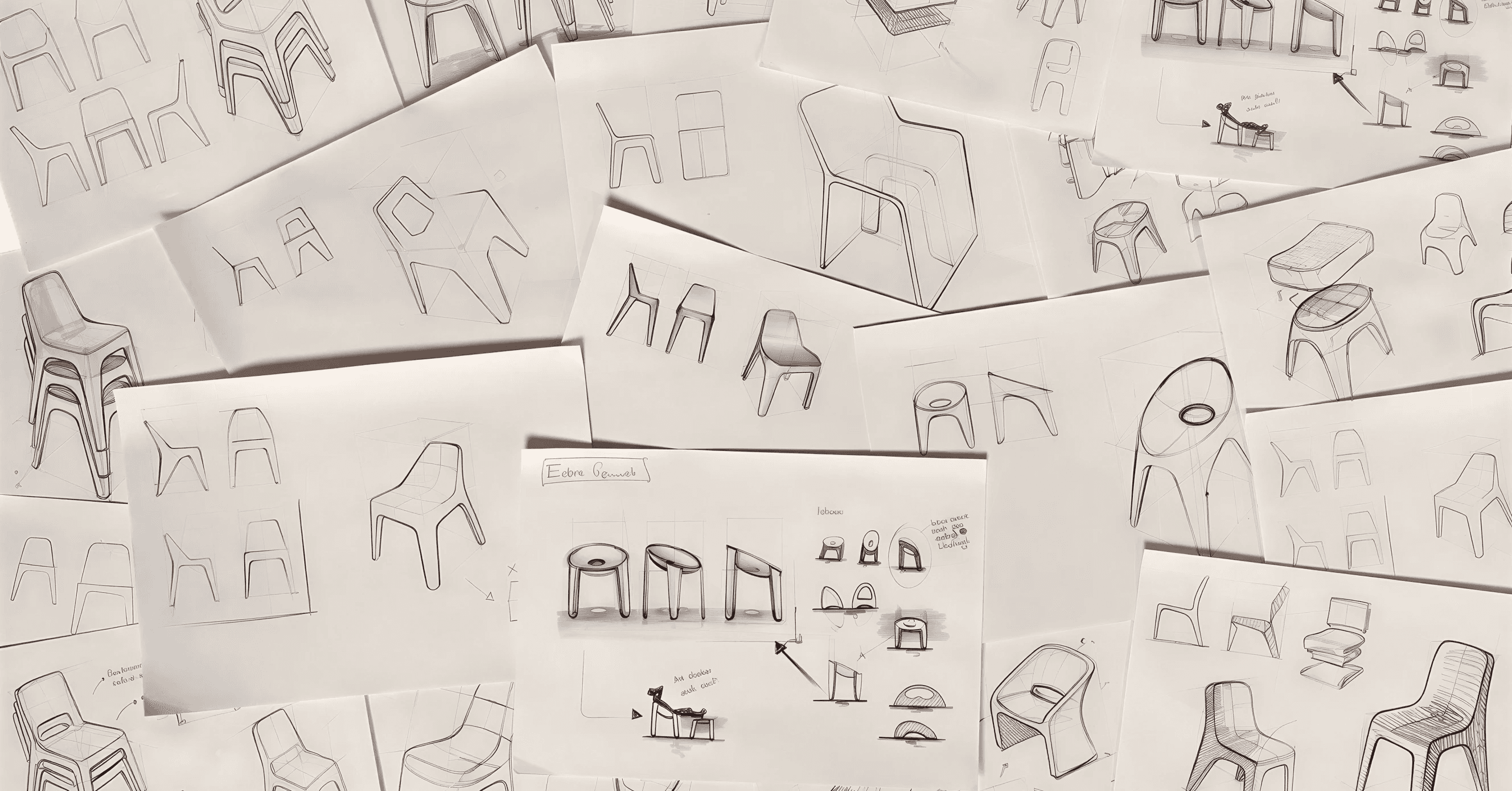
Early sketches explored multiple formal directions. Some followed geometric clarity while others investigated more sculptural volumes. A spherical tendency quickly emerged as the most promising direction. Soft transitions and continuous curves created a strong visual identity. These sketches laid the foundation for the later digital modeling process.
03 — Sketches
Searching for a new chair silhouette.
Early sketches explored multiple formal directions. Some followed geometric clarity while others investigated more sculptural volumes. A spherical tendency quickly emerged as the most promising direction. Soft transitions and continuous curves created a strong visual identity. These sketches laid the foundation for the later digital modeling process.
03 — Sketches
Searching for a new chair silhouette.
Early sketches explored multiple formal directions. Some followed geometric clarity while others investigated more sculptural volumes. A spherical tendency quickly emerged as the most promising direction. Soft transitions and continuous curves created a strong visual identity. These sketches laid the foundation for the later digital modeling process.
04 — Design Language
Defining a clear design language.
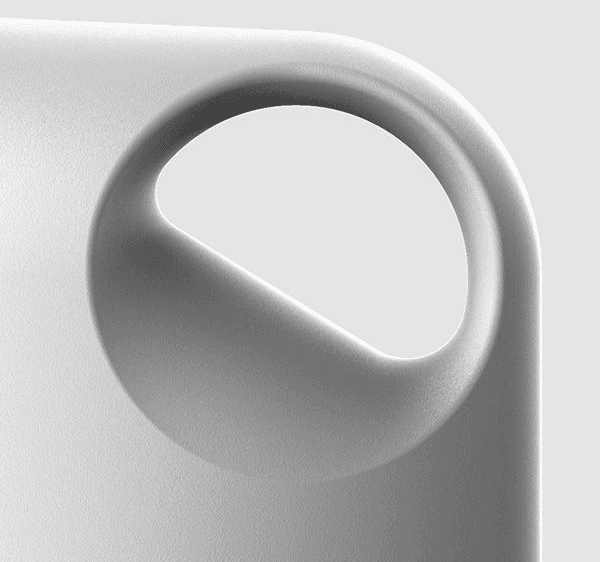
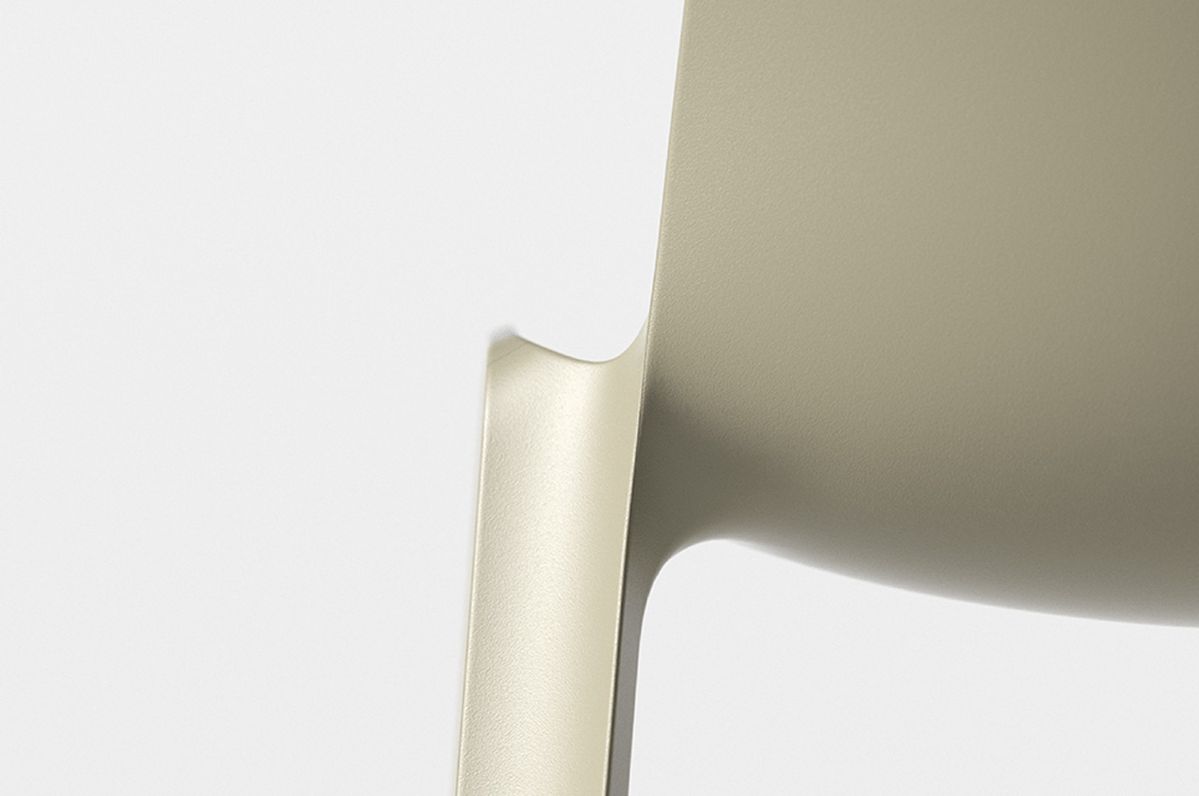
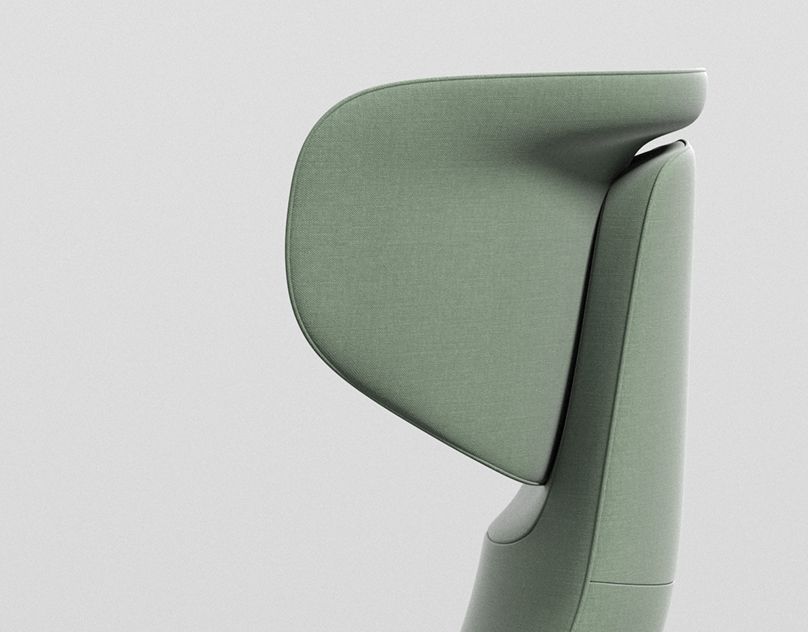
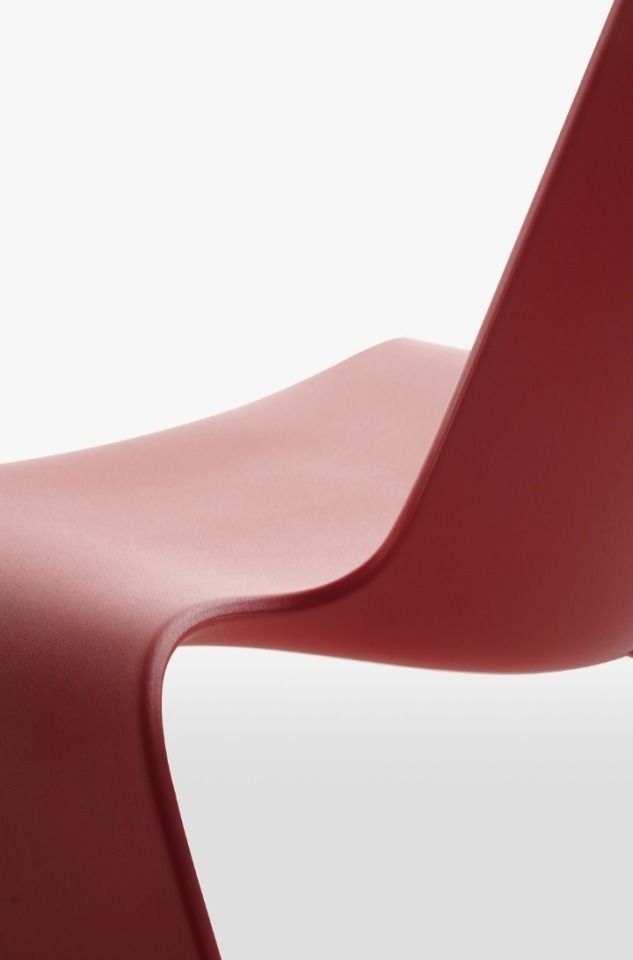
A moodboard helped translate the initial ideas into a consistent design strategy. The goal was a balance between two qualities. 70% simplicity and 30% dynamic expression. This combination creates a calm and recognizable object while still introducing movement within the surfaces and silhouette.
04 — Design Language
Defining a clear design language.
A moodboard helped translate the initial ideas into a consistent design strategy. The goal was a balance between two qualities. 70% simplicity and 30% dynamic expression. This combination creates a calm and recognizable object while still introducing movement within the surfaces and silhouette.
04 — Design Language
Defining a clear design language.
A moodboard helped translate the initial ideas into a consistent design strategy. The goal was a balance between two qualities. 70% simplicity and 30% dynamic expression. This combination creates a calm and recognizable object while still introducing movement within the surfaces and silhouette.
05 — Engineering
Sculpting the form in Rhino.
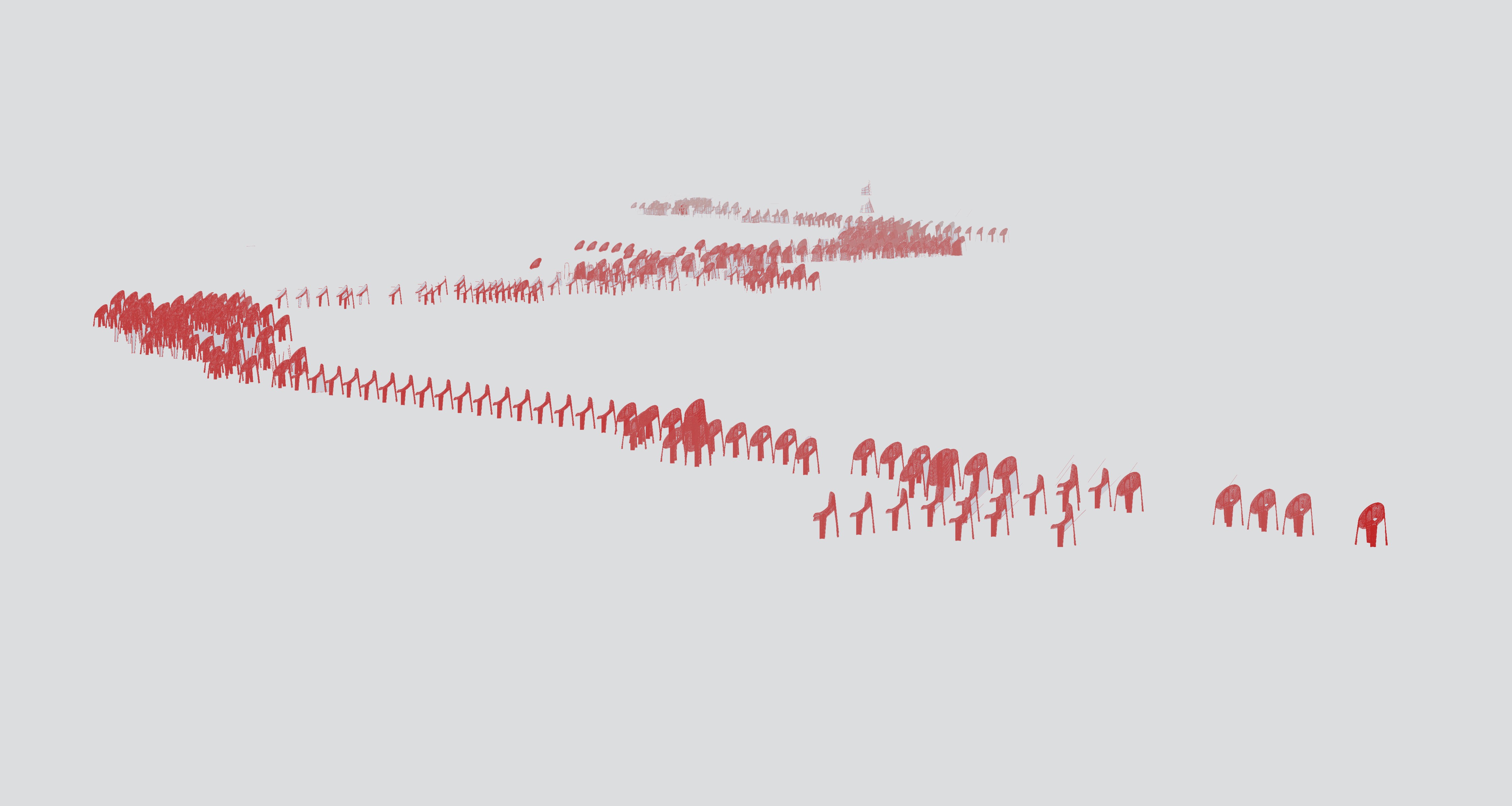
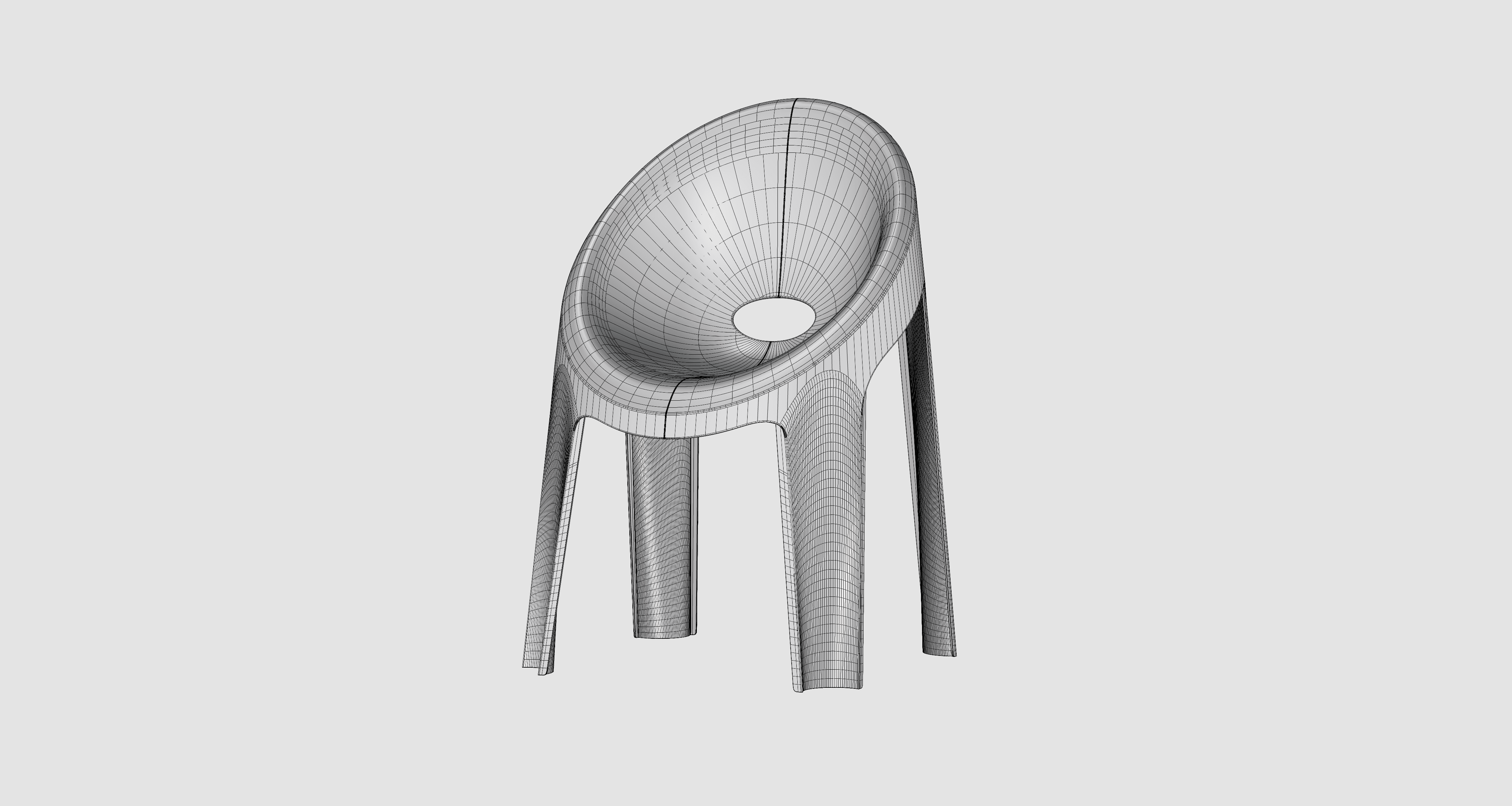
The chair was developed through an extensive Rhino modeling process. Iterations were created within a large modeling tree. Each step refined the transitions between surfaces and adjusted the proportions of the geometry. Particular attention was given to surface continuity. The final model achieves high-level curvature quality with G3 and G4 transitions.
05 — Engineering
Sculpting the form in Rhino.
The chair was developed through an extensive Rhino modeling process. Iterations were created within a large modeling tree. Each step refined the transitions between surfaces and adjusted the proportions of the geometry. Particular attention was given to surface continuity. The final model achieves high-level curvature quality with G3 and G4 transitions.
05 — Engineering
Sculpting the form in Rhino.
The chair was developed through an extensive Rhino modeling process. Iterations were created within a large modeling tree. Each step refined the transitions between surfaces and adjusted the proportions of the geometry. Particular attention was given to surface continuity. The final model achieves high-level curvature quality with G3 and G4 transitions.
06 — Iteration
Form development through digital iteration.
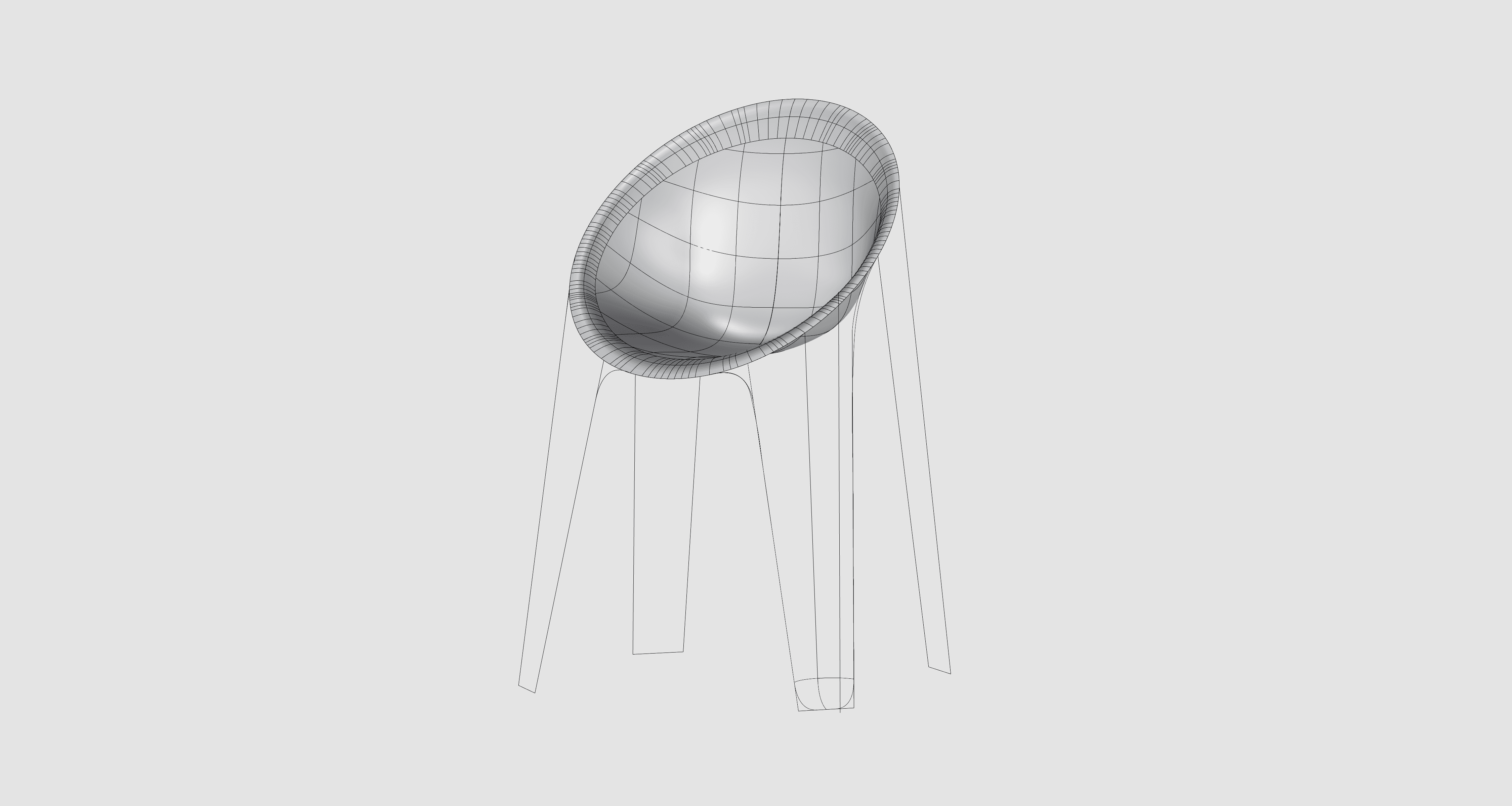
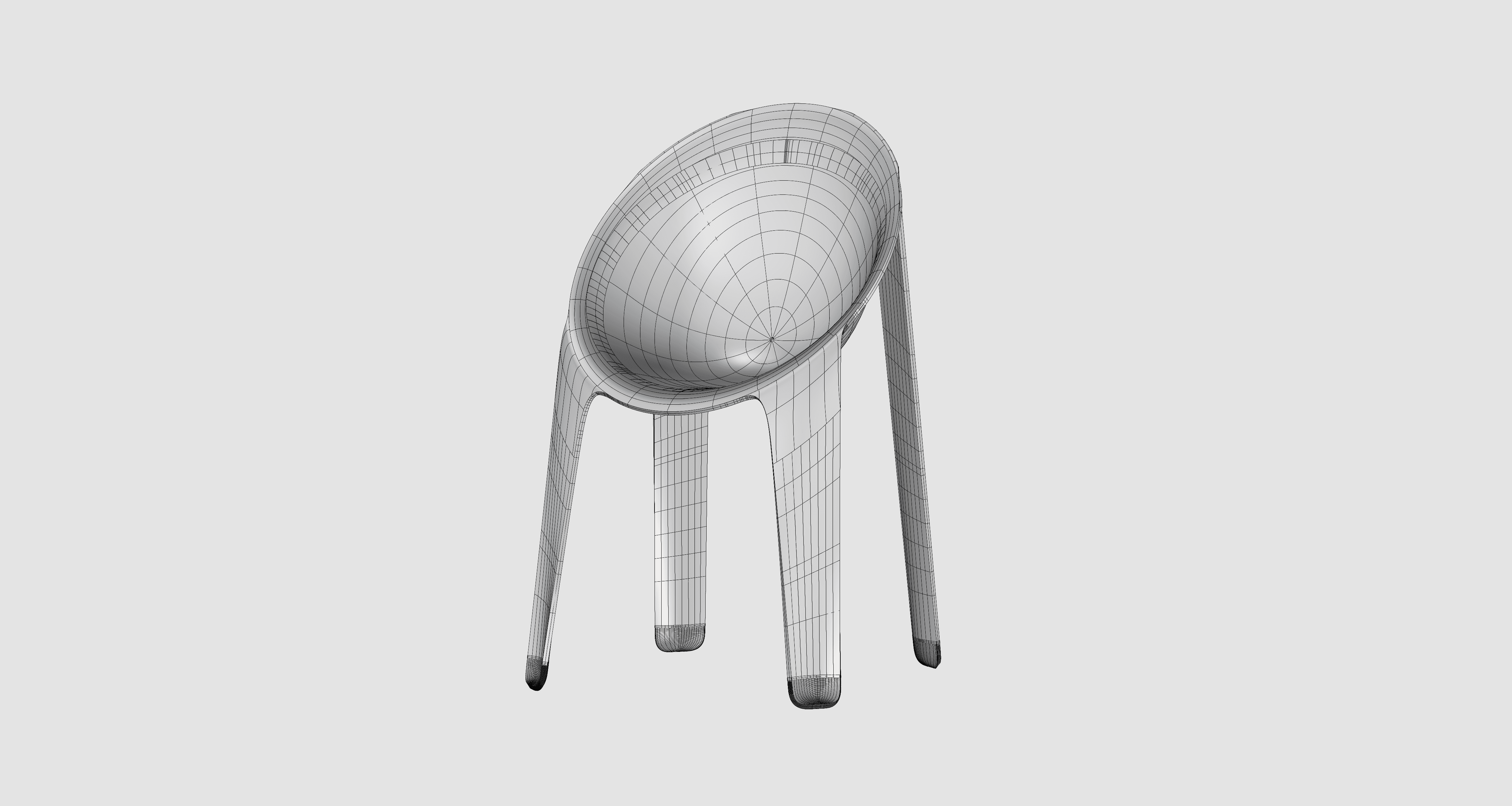
The digital modeling process became an important design tool itself. While sketches defined the initial direction, the form continued to evolve directly inside the 3D environment. The workflow moved repeatedly between drawing, rebuilding surfaces, and adjusting geometry. Each iteration refined the balance between clarity and dynamism.
06 — Iteration
Form development through digital iteration.
The digital modeling process became an important design tool itself. While sketches defined the initial direction, the form continued to evolve directly inside the 3D environment. The workflow moved repeatedly between drawing, rebuilding surfaces, and adjusting geometry. Each iteration refined the balance between clarity and dynamism.
06 — Iteration
Form development through digital iteration.
The digital modeling process became an important design tool itself. While sketches defined the initial direction, the form continued to evolve directly inside the 3D environment. The workflow moved repeatedly between drawing, rebuilding surfaces, and adjusting geometry. Each iteration refined the balance between clarity and dynamism.
07 — Prototype
Testing the form in physical space.
A 3D printed model allowed the design to be evaluated physically. Holding the object reveals proportions, transitions and surface quality in a way that digital models cannot fully replicate. This step helped confirm the final geometry before moving to visualization.
07 — Prototype
Testing the form in physical space.
A 3D printed model allowed the design to be evaluated physically. Holding the object reveals proportions, transitions and surface quality in a way that digital models cannot fully replicate. This step helped confirm the final geometry before moving to visualization.
07 — Prototype
Testing the form in physical space.
A 3D printed model allowed the design to be evaluated physically. Holding the object reveals proportions, transitions and surface quality in a way that digital models cannot fully replicate. This step helped confirm the final geometry before moving to visualization.
Unfold Process
Presenting Oculus Chair
A sculptural take on the world’s most familiar chair.
Presenting Oculus Chair
A sculptural take on the world’s most familiar chair.
Presenting Oculus Chair
A sculptural take on the world’s most familiar chair.
Feature 01
Oculus as structural and visual core.
The oval opening forms the central identity of the chair. It creates a strong visual focus while reducing material within the shell. At the same time it improves handling. The opening allows the chair to be easily gripped when lifting or stacking.
Feature 01
Oculus as structural and visual core.
The oval opening forms the central identity of the chair. It creates a strong visual focus while reducing material within the shell. At the same time it improves handling. The opening allows the chair to be easily gripped when lifting or stacking.
Feature 01
Oculus as structural and visual core.
The oval opening forms the central identity of the chair. It creates a strong visual focus while reducing material within the shell. At the same time it improves handling. The opening allows the chair to be easily gripped when lifting or stacking.
Feature 02
Surface quality as defining element.
The design places strong emphasis on surface precision. Transitions between the seat, backrest and outer shell were carefully refined to achieve smooth curvature continuity. This high level of surface control creates a calm appearance while emphasizing the sculptural character of the chair.
Feature 02
Surface quality as defining element.
The design places strong emphasis on surface precision. Transitions between the seat, backrest and outer shell were carefully refined to achieve smooth curvature continuity. This high level of surface control creates a calm appearance while emphasizing the sculptural character of the chair.
Feature 02
Surface quality as defining element.
The design places strong emphasis on surface precision. Transitions between the seat, backrest and outer shell were carefully refined to achieve smooth curvature continuity. This high level of surface control creates a calm appearance while emphasizing the sculptural character of the chair.
Feature 03
Integrated grip for intuitive handling.
A recessed grip is integrated into the upper backrest. This allows the chair to be easily pulled away from a table or repositioned within a room. The grip blends seamlessly into the form and does not interrupt the overall geometry.
Feature 03
Integrated grip for intuitive handling.
A recessed grip is integrated into the upper backrest. This allows the chair to be easily pulled away from a table or repositioned within a room. The grip blends seamlessly into the form and does not interrupt the overall geometry.
Feature 03
Integrated grip for intuitive handling.
A recessed grip is integrated into the upper backrest. This allows the chair to be easily pulled away from a table or repositioned within a room. The grip blends seamlessly into the form and does not interrupt the overall geometry.
Feature 04
Stackability without visual compromise.
The chair was designed to remain fully stackable despite its sculptural geometry. Unlike many stacking chairs that tilt forward when stacked, the Oculus Chair aligns vertically. This creates a stable stack and allows more chairs to be stored safely. Even when stacked, the layered geometry forms a clean and visually striking composition.
Feature 04
Stackability without visual compromise.
The chair was designed to remain fully stackable despite its sculptural geometry. Unlike many stacking chairs that tilt forward when stacked, the Oculus Chair aligns vertically. This creates a stable stack and allows more chairs to be stored safely. Even when stacked, the layered geometry forms a clean and visually striking composition.
Feature 04
Stackability without visual compromise.
The chair was designed to remain fully stackable despite its sculptural geometry. Unlike many stacking chairs that tilt forward when stacked, the Oculus Chair aligns vertically. This creates a stable stack and allows more chairs to be stored safely. Even when stacked, the layered geometry forms a clean and visually striking composition.